
News & Updates
Steel industry trends, company news & latest policies
Galvanized Steel Coil Cost Drivers in 2026: Zinc, Gauge, and Lead Time
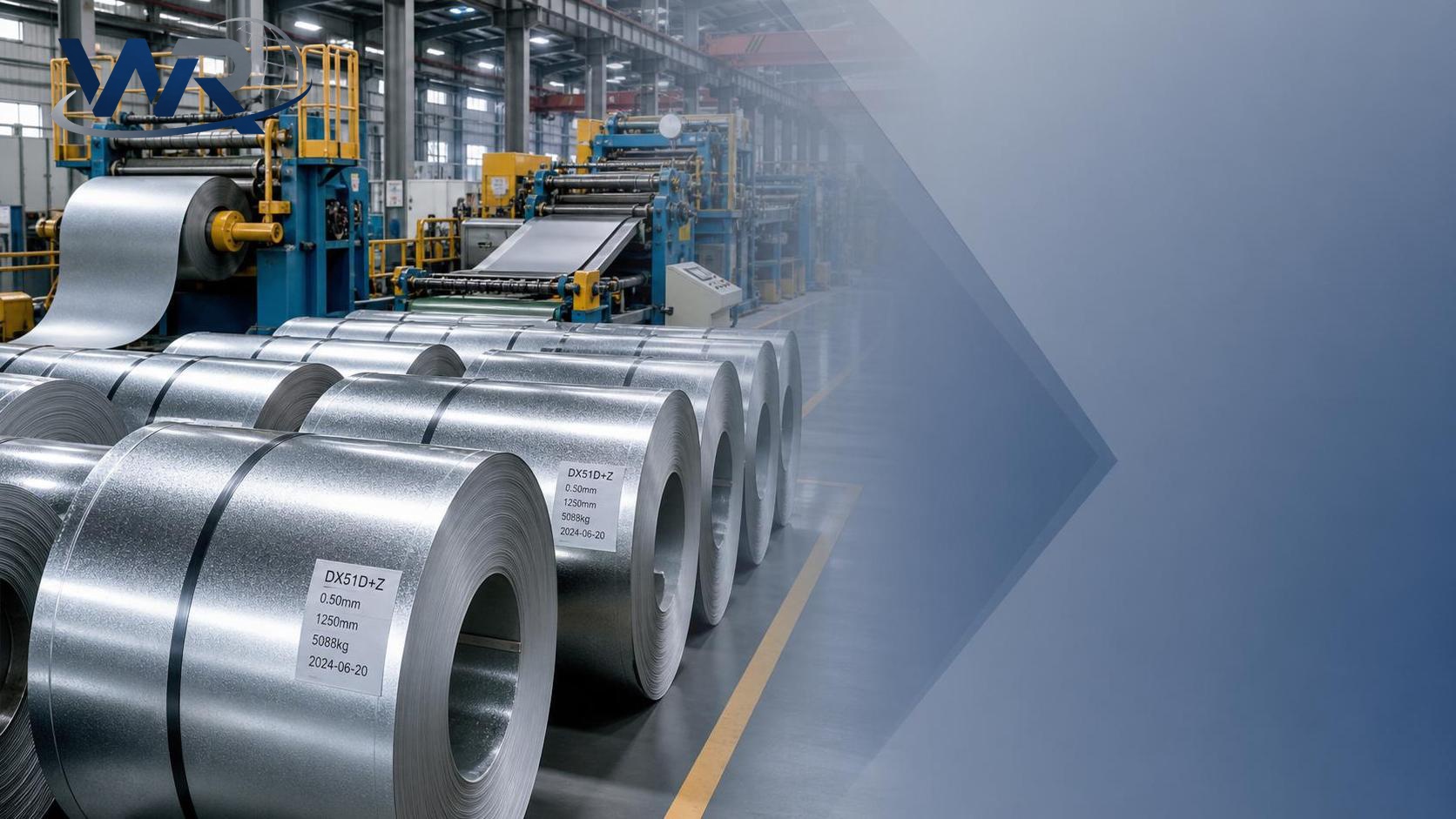
Why does Galvanized Steel Coil budgeting feel less predictable in 2026?
Galvanized Steel Coil pricing is no longer shaped by base steel alone. Zinc, coating weight, thickness tolerance, order size, and delivery timing now move the final number more than many buyers expect.
That matters because a small change in specification can alter both unit price and total landed cost. In practical terms, the cheapest quote on paper may create the highest approval risk later.
A more reliable budgeting method is to read Galvanized Steel Coil cost in layers. Start with raw material exposure, then review processing complexity, logistics, stock position, and schedule certainty.
This is also why delivery reliability belongs in a cost discussion. If material arrives late, downstream production, project sequencing, and cash planning can all be affected at the same time.
Is zinc still the biggest cost driver for Galvanized Steel Coil?
In many cases, yes. Zinc remains one of the clearest pricing levers because galvanizing value depends directly on coating consumption and metal market volatility.
When zinc prices rise, suppliers carrying heavier coating requirements feel the impact first. A coil specified at a higher coating class can move noticeably faster than a lighter commercial grade.
The important point is that zinc cost does not act alone. It combines with coating standard, coating uniformity, and scrap control during production.
More cautious buyers usually ask three questions before comparing offers:
- What coating weight is included in the quoted Galvanized Steel Coil price?
- Is the zinc coating tied to a specific standard or just a general claim?
- Does the supplier have stable galvanizing capacity, or is part of the work outsourced?
Those questions help reveal whether a low number reflects efficiency or simply a lighter specification. In cost review, that difference is critical.
How much does gauge change the real purchase cost?
Gauge affects more than steel weight. It changes yield, freight loading, forming performance, and rejection risk, especially when end use requires strict flatness or tight thickness tolerance.
Thinner Galvanized Steel Coil may look economical per ton, but cost per usable part can rise if processing loss increases. Heavier gauges can reduce deformation issues, yet tie up more cash per shipment.
A practical review looks at application instead of price alone. Roofing, ductwork, appliance panels, shelving, and structural accessories do not consume thickness value in the same way.
Need a quick comparison? The table below shows how common specification choices typically influence procurement value.
In many approvals, the best choice is not the cheapest gauge. It is the one that keeps conversion loss, performance risk, and inventory burden in balance.
Why does lead time change the cost of Galvanized Steel Coil so much?
Lead time affects cost through scheduling pressure. When supply is tight, rush orders often trigger higher production costs, split shipments, or less favorable freight arrangements.
There is another issue that receives less attention. Long and uncertain lead times force larger safety stock, which increases working capital exposure and warehouse carrying cost.
For standard specifications, a supplier with ready stock can lower total risk even if the quoted price is not the absolute minimum. Predictable supply often protects margin better than a marginal discount.
For example, a manufacturer operating large stock and scheduled lines can support two different cost-saving paths:
- Fast release of standard Galvanized Steel Coil when immediate replenishment is needed.
- Stable custom production windows when nonstandard sizes or processing must be locked in advance.
That is where production depth matters. Facilities with rolling, deep processing, CNC cutting, and precision leveling under one system usually have better control over promised dates.
A supplier such as Shandong Wanruitong Steel, with 10,000 tons of ready stock and standard delivery within seven working days, can reduce delay risk on common specifications.
For custom Galvanized Steel Coil, a stable 15 to 25 day schedule is often easier to budget than a lower quote without firm capacity backing.
What hidden items make one quote look cheaper than another?
The most common distortion is incomplete specification matching. Two Galvanized Steel Coil offers can appear close, while coating weight, thickness tolerance, width range, and edge condition are actually different.
Another frequent issue is conversion cost outside the coil price. Slitting, leveling, cut-to-length processing, protective packaging, and export preparation may be omitted from the first quotation.
In real purchasing reviews, these checks usually expose the gap:
- Base steel grade and applicable standard
- Zinc coating designation and tolerance range
- Actual thickness versus nominal thickness
- Inner diameter, coil weight range, and packing method
- Inspection documents and claims handling terms
If any of those items remain vague, the approval process becomes weaker. A quote that is difficult to audit is rarely the lowest-risk option.
How should you compare suppliers when the numbers are close?
When price differences narrow, the better comparison is operational reliability. Galvanized Steel Coil supply is easier to control when the producer has visible capacity, stock discipline, and traceable processing capability.
That means looking beyond brochures. Check whether the supplier controls production directly, how broad the steel portfolio is, and whether supporting services are internal or subcontracted.
A plant covering 32,000 square meters with eight automatic rolling and deep processing lines offers a different risk profile from a trader depending entirely on external slots.
This does not automatically mean higher value in every case. It means the quote deserves to be judged together with delivery confidence, stock coverage, and response speed for urgent replenishment.
A balanced supplier review can be summarized in a simple decision checklist:
What is the smartest next step before approving a 2026 order?
Start by freezing the real use condition of the Galvanized Steel Coil. Corrosion exposure, forming requirement, and processing route should define the specification, not habit.
Then compare quotations on a like-for-like basis. Keep zinc coating, gauge, tolerance, width, packaging, and lead time in one review sheet.
It also helps to separate visible price from controllable cost. A quote with stock support, stable production scheduling, and integrated processing may protect cash flow better over the full order cycle.
In short, 2026 budgeting for Galvanized Steel Coil is about controlling variation. Zinc remains important, gauge changes usable value, and lead time can reshape the entire cost picture.
The next practical move is to align specification, delivery window, and processing scope before price approval. That creates a cleaner basis for supplier comparison and a more defendable procurement decision.
Related Posts
- ▶ Carbon Steel Pipe Standards Explained: ASTM, API, and Common Gaps
- ▶ How to Judge Steel Plates by Flatness, Tolerance, and Surface Quality
- ▶ Steel Pipes for Water, Gas, and Fire Systems: Key Differences
- ▶ Reinforcing Steel Bar Mistakes That Lead to Site Delays
- ▶ One-Stop Steel Distribution or Multi-Supplier Buying: Cost and Risk
- ▶ Steel Sections vs Plate Fabrication: Which Is More Efficient?
Send Us A Message