
News & Updates
Steel industry trends, company news & latest policies
Steel Pipes for Water, Gas, and Fire Systems: Key Differences
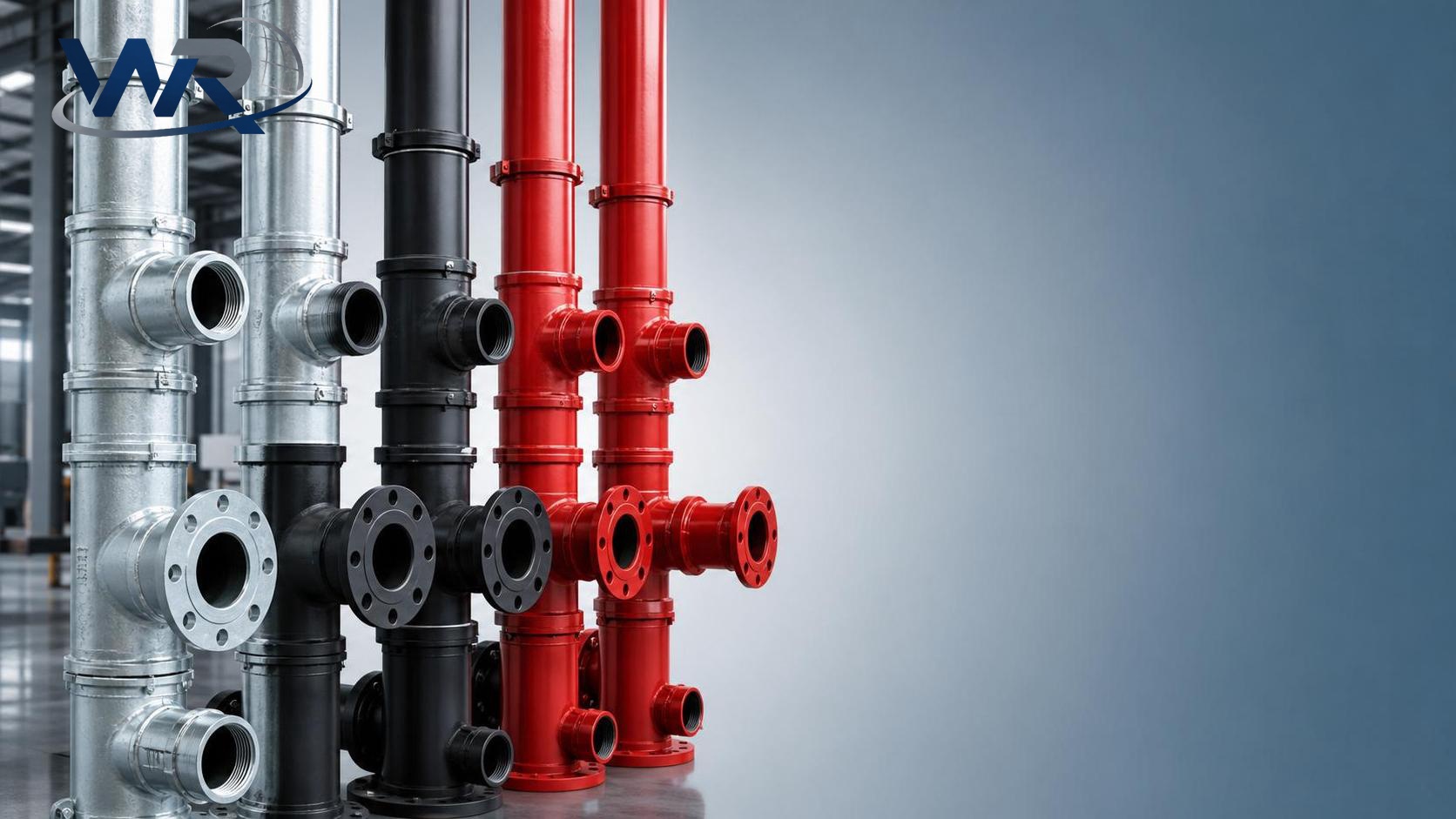
Why Steel Pipes Need Different Choices Across Utility Systems
Choosing Steel Pipes for water, gas, and fire networks is rarely a simple size decision. The same nominal diameter can behave very differently once pressure cycles, corrosion exposure, coating needs, and local codes enter the picture.
In practical projects, the pipe wall is only one part of the equation. Jointing method, internal medium, outdoor or buried installation, maintenance access, and inspection requirements often decide whether a specification remains reliable after years of service.
That is why Steel Pipes used in a domestic water riser should not be judged by the same priorities as a gas branch line or a fire sprinkler loop. The material may look similar on paper, but the operating risks are not the same.
Factories with full-range rolling, processing, and stable scheduling usually see this difference clearly. In large mixed-use orders, standard stock may solve one section fast, while custom length, end treatment, or coating becomes essential for another section.
The First Real Question Is the Service Condition
Water systems usually focus on cleanliness, corrosion control, and stable flow. Gas systems add leak prevention, sealing integrity, and stricter safety margins. Fire systems place heavy weight on emergency reliability and code-approved performance under standby conditions.
In actual use, similar-looking Steel Pipes may require different galvanizing levels, pressure classes, test procedures, or fabrication tolerances. A pipe that works well for non-potable circulation may not be suitable for drinking water or combustible gas.
Another factor is project rhythm. Standard specifications often need quick dispatch, especially during site acceleration. For mixed packages, a supplier with ready stock and controlled custom lead times reduces the chance that one missing pipe size delays an entire system handover.
Water Lines Usually Prioritize Corrosion Control and Flow Stability
Water service looks straightforward until quality and lifecycle issues appear. Internal corrosion, scale buildup, and coating failure can reduce flow, affect water quality, and increase maintenance frequency long before the design life ends.
For indoor supply and general building services, galvanized Steel Pipes are still selected in many markets where mechanical strength and familiarity matter. In industrial water lines, black steel or coated carbon steel may be acceptable when the water is non-potable and treatment conditions are controlled.
The key judgment is not only pressure rating. Water chemistry, temperature fluctuation, intermittent operation, and whether the line is exposed, concealed, or buried all affect the right finish and wall thickness.
A frequent mistake is choosing Steel Pipes by initial purchase price alone. If the internal surface is poorly matched to the medium, cleaning, replacement, and shutdown costs can outweigh the early savings.
Gas Systems Demand Tighter Attention to Sealing and Standards
Gas distribution has a narrower tolerance for installation error. Material consistency, welding quality, thread accuracy, and coating integrity all influence leak risk. Even minor damage at bends, threads, or field joints can become a serious issue over time.
In these systems, Steel Pipes are often judged by more than mechanical strength. Surface condition, dimensional precision, and compliance with regional gas standards matter because they affect sealing performance during both pressure testing and long-term operation.
Outdoor gas routing adds another layer. UV exposure, moisture, buried conditions, and nearby corrosive environments can change the coating requirement completely. A specification that is acceptable indoors may become underprotected in external service.
More careful projects also review fabrication compatibility in advance. If cut-to-length sections, beveling, or end preparation are needed, it is better to align them at source rather than depend on inconsistent site modification.
Fire Protection Networks Are Built Around Reliability Under Inactivity
Fire systems are unusual because they may remain idle for long periods and still need instant performance. That changes the selection logic. The pipe must resist corrosion during standby, maintain pressure integrity, and fit approved joining and inspection methods.
For sprinkler mains, hydrant loops, and pump room connections, Steel Pipes are commonly preferred for strength, impact resistance, and familiarity with code-based installation practice. Here, external finish and internal protection both matter, especially in damp equipment rooms or partially exposed routing.
A common misunderstanding is assuming that low daily use means low material demand. In reality, dormant systems can suffer unnoticed corrosion, trapped moisture issues, or compatibility problems with fittings if the original pipe selection was too generic.
Where the Main Differences Usually Appear
The table below helps clarify how the same Steel Pipes category is judged differently once the service condition changes.
Similar Pipe Sizes Do Not Mean Similar Procurement Logic
Many delays start when teams treat all utility Steel Pipes as one combined commodity package. That may simplify purchasing tables, but it often creates mismatched coatings, overdesigned sections, or missing fabrication details.
A more workable approach is to separate decisions by operating condition. Ready-stock standard pipes are useful where dimensions are common and installation timing is tight. Custom processing becomes more valuable where grooving, cutting, beveling, or nonstandard lengths reduce field waste.
This is where manufacturing capability matters in a practical sense. A producer with automatic rolling lines, deep processing equipment, and stable scheduling can support both fast-turn standard supply and coordinated custom batches without forcing the project into fragmented sourcing.
Useful Checks Before Final Selection
- Confirm whether the medium is potable water, treated water, natural gas, or fire standby water.
- Review installation location, including buried, exposed, indoor humid areas, and outdoor weather exposure.
- Match the joining method to the pipe finish and wall specification before ordering.
- Check local standards for pressure testing, coating, and approved application range.
- Compare lead time for stock sizes against custom processing needs to avoid split deliveries.
Misjudgments Usually Come from Looking at Only One Variable
The most common error is focusing only on strength grade. Steel Pipes can meet a pressure target and still fail the real application because coating, environment, or connection details were ignored.
Another issue is assuming similar buildings have identical utility demands. A residential tower, a food facility, and a logistics warehouse may all use carbon steel pipe, yet their water quality rules, gas routing exposure, and fire inspection priorities differ sharply.
Long-term cost is often missed as well. Corrosion-related shutdowns, difficult replacement access, and failed compliance checks create costs that do not appear on the original quotation sheet.
A Practical Way to Match Steel Pipes to the Job
Start with the system function, then narrow the selection by medium, environment, joining method, and applicable standard. After that, compare stock availability, processing needs, and delivery rhythm.
For projects involving multiple utility systems, create a simple matrix of service condition, coating requirement, schedule urgency, and inspection method. That usually exposes where one Steel Pipes specification can be shared and where it should remain separate.
Supply reliability should also be reviewed early. With standard sizes, ready inventory can shorten response time. For custom orders, predictable production windows are just as important as the technical specification, especially on phased construction programs.
A clear next step is to sort each line by actual service condition, confirm the governing standard, and list any coating or fabrication constraints before release. That makes Steel Pipes selection more consistent, reduces rework, and keeps utility systems aligned with both performance and delivery needs.
Related Posts
- ▶ Carbon Steel Pipe Standards Explained: ASTM, API, and Common Gaps
- ▶ How to Judge Steel Plates by Flatness, Tolerance, and Surface Quality
- ▶ Steel Pipes for Water, Gas, and Fire Systems: Key Differences
- ▶ Reinforcing Steel Bar Mistakes That Lead to Site Delays
- ▶ One-Stop Steel Distribution or Multi-Supplier Buying: Cost and Risk
- ▶ Steel Sections vs Plate Fabrication: Which Is More Efficient?
Send Us A Message