
News & Updates
Steel industry trends, company news & latest policies
Reinforcing Steel Bar Mistakes That Lead to Site Delays
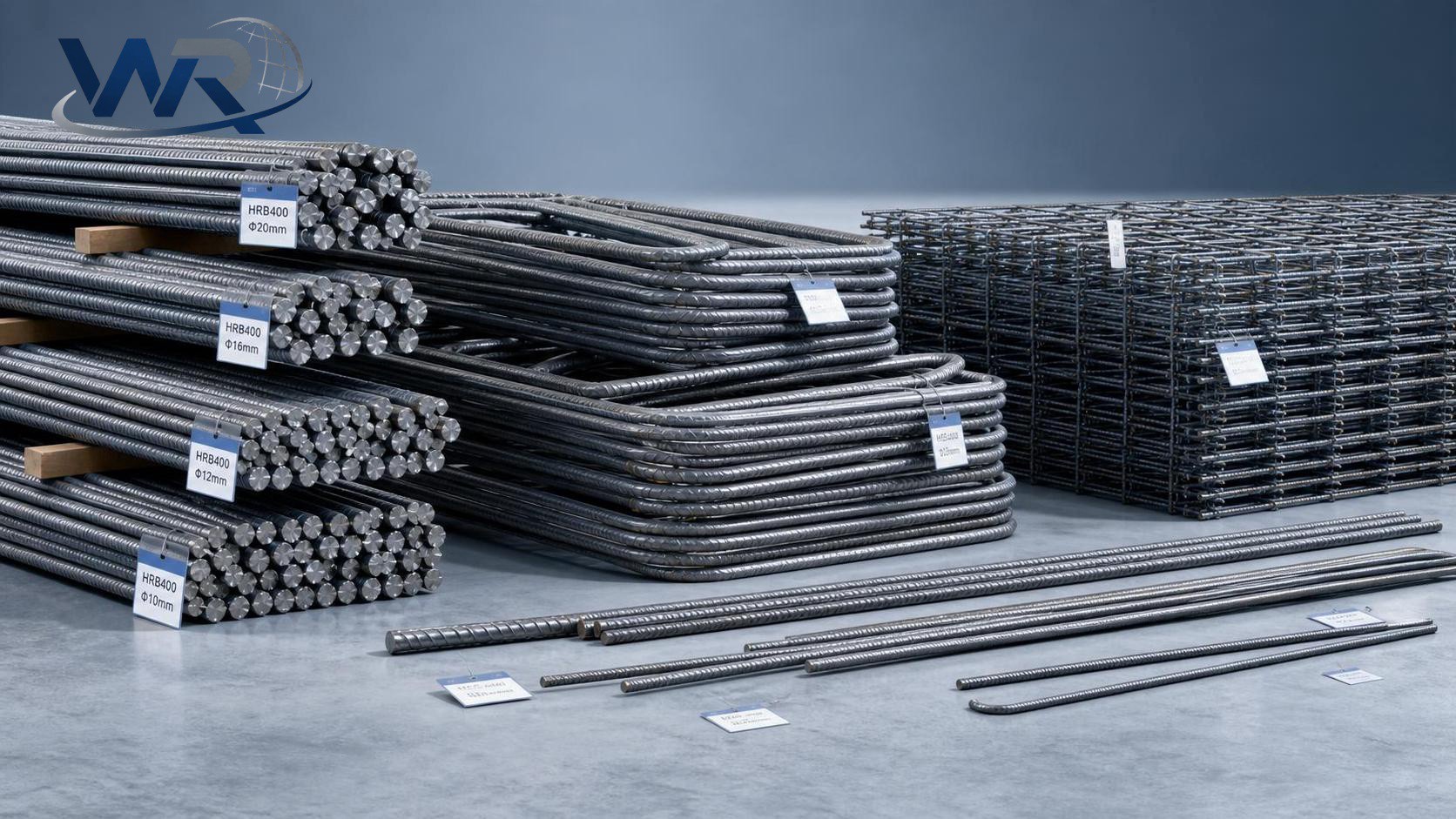
Why do small Reinforcing Steel Bar mistakes slow a project so quickly?
A delayed pour rarely starts with one dramatic failure. It usually starts with small Reinforcing Steel Bar errors that seem manageable at first.
Wrong diameter, mixed grades, poor storage, inaccurate cutting, or misplaced bars can interrupt the entire sequence of work.
In practice, rebar work connects design, fabrication, delivery, tying, inspection and concrete placement. If one step slips, every following step feels it.
That is why Reinforcing Steel Bar control is not only a structural issue. It is also a schedule issue, a labor issue and a cost issue.
A common site problem is assuming all bars with similar appearance are interchangeable. They are not. Grade, coating, bend radius and tolerance all matter.
Another frequent cause is supply mismatch. Standard stock may arrive fast, but special processing needs proper lead-time planning before site work begins.
When production and delivery are stable, crews spend less time waiting or sorting. That is why reliable steel sourcing supports smoother execution, not just purchasing convenience.
Which selection mistakes cause the most rework on site?
Selection errors often happen before the material reaches the site. Once the wrong Reinforcing Steel Bar is unloaded, correction becomes slower and more expensive.
The first risk is choosing by habit instead of by drawing. Similar projects may still require different grades, lengths, bends or spacing rules.
The second risk is ignoring processing requirements. Bars intended for field cutting may need different handling than bars supplied pre-cut and pre-bent.
It also helps to separate what must be custom-made from what can come from ready stock. That distinction affects both speed and sequencing.
For example, standard specifications can often move quickly from warehouse to site. Custom pieces need accurate schedules and clear fabrication data.
The table below shows where selection mistakes usually start and what they turn into later.
The better approach is simple: confirm specifications early, issue clear processing lists, and align site sequence with supply timing.
Is storage really that important if the Reinforcing Steel Bar looks fine?
Yes. Surface appearance can be misleading. Poor storage may not stop work on day one, but it often causes trouble during fixing and inspection.
Bars stored directly on wet ground can pick up contamination, rust scale or deformation. Mixed bundles create confusion and waste labor during sorting.
In tighter sites, the problem becomes bigger. Crews start moving bundles several times before use, increasing damage and time loss.
A practical storage routine should keep Reinforcing Steel Bar identified, dry enough, accessible and separated by size, grade and destination zone.
- Use raised supports to keep bars off soil and standing water.
- Keep tags readable from unloading to final installation.
- Store pre-bent pieces separately from straight stock.
- Plan unloading by work zone, not only by truck sequence.
- Inspect bundles after rain, especially before tying starts.
Where supply is consistent, storage control becomes easier. Standard stock delivered within a short window reduces long on-site holding time and repeated handling.
That matters especially on projects balancing urgent replenishment with fixed pour dates. Delays often come from logistics friction, not only from fabrication mistakes.
What goes wrong during cutting and bending, even when the drawings are correct?
Correct drawings do not guarantee correct fabrication. Reinforcing Steel Bar processing can still fail through measurement drift, rushed marking or poor machine setup.
One common issue is cumulative error. A small length difference repeated across many bars creates a fit problem inside forms or at lap zones.
Another issue is bending without checking minimum radius. That can damage the bar or produce shapes that do not match the required geometry.
Field cutting also carries risk. It may seem faster, but site conditions usually make accuracy harder to maintain.
More reliable results usually come from controlled processing with calibrated equipment, clear bar marks and organized batch separation.
This is where manufacturing capability matters in practical terms. Facilities with automatic rolling, deep processing, CNC cutting and precision leveling can reduce variation before delivery.
For projects using both stock and custom pieces, the safest move is to lock dimensions early, then reserve field adjustment only for genuinely unavoidable conditions.
Why does bar placement still fail after material and fabrication checks?
Placement failures usually come from coordination gaps. The Reinforcing Steel Bar itself may be correct, but installation conditions may not be ready for it.
Congestion around openings, sleeves, embeds or couplers is a frequent problem. Bars then get shifted informally, and cover or spacing is lost.
Another issue is sequence pressure. When crews rush to meet a pour, inspection steps may happen too late to prevent rework.
A useful on-site habit is to check fit-up before full tying. That catches clashes while adjustment is still easy.
The following checklist is often enough to prevent the most expensive placement delays:
- Verify bar marks against the latest revision, not an older print.
- Confirm spacers, chairs and cover blocks before tying begins.
- Check congestion points around beams, columns and penetrations first.
- Separate hold points for inspection before concrete arrives.
- Record shortages early enough for urgent replenishment planning.
When replacement bars can be dispatched quickly from available stock, minor shortages stay minor. Without that support, a small missing bundle can stop an entire pour zone.
How can you tell whether the delay risk comes from the bar itself or from the supply chain?
This is an important distinction. Not every Reinforcing Steel Bar delay is a quality problem, and not every quality complaint starts in production.
If dimensions vary, bends mismatch, or bundles contain mixed items, the source is often fabrication or handling.
If the material is correct but arrives out of sequence, the issue is usually planning, batching or communication between fabrication and delivery.
A stable supplier should be able to support both routine and urgent needs with realistic lead times. That means fast dispatch for standard specifications and disciplined scheduling for custom work.
In real projects, that difference matters. Ready stock can protect short-cycle works, while custom orders need dependable production windows to avoid idle crews.
Manufacturers with broad output capacity, multiple processing lines and clear scheduling systems are often better positioned to keep that balance stable.
What is the most practical way to reduce Reinforcing Steel Bar delays from the next job onward?
Start by treating Reinforcing Steel Bar as a workflow, not only a material item. Delays usually come from handoff failures between design, processing, delivery and placement.
A more dependable routine includes early specification review, clear bar schedules, disciplined storage, controlled fabrication and staged site checks.
It also helps to divide demand into two groups: standard items needed quickly and custom items that need protected lead time.
For ongoing work, keep a short review list before each reinforcement phase:
- Are the latest drawings and bar schedules aligned?
- Which Reinforcing Steel Bar items are stock items, and which are custom processed?
- Can the storage area protect identification and shape integrity?
- Have congestion points been checked before full installation?
- Is there a replenishment path for shortages within the schedule window?
When these questions are answered early, delays become easier to predict and easier to prevent.
The main lesson is straightforward. Most site delays linked to Reinforcing Steel Bar are preventable when material quality, processing accuracy and delivery timing are managed together.
The next step is to review current bar specifications, fabrication needs and delivery windows against actual site sequence. That comparison usually reveals where risk is building first.
Related Posts
- ▶ Carbon Steel Pipe Standards Explained: ASTM, API, and Common Gaps
- ▶ How to Judge Steel Plates by Flatness, Tolerance, and Surface Quality
- ▶ Steel Pipes for Water, Gas, and Fire Systems: Key Differences
- ▶ Reinforcing Steel Bar Mistakes That Lead to Site Delays
- ▶ One-Stop Steel Distribution or Multi-Supplier Buying: Cost and Risk
- ▶ Steel Sections vs Plate Fabrication: Which Is More Efficient?
Send Us A Message